Dark patches on a wall, ceiling, or window surround are a reason to investigate moisture. They do not tell you which mold is present or explain a person’s symptoms. For a Chicago-area property, start with the affected location, the water history, and what has changed.
Does black mold mean a particular species?
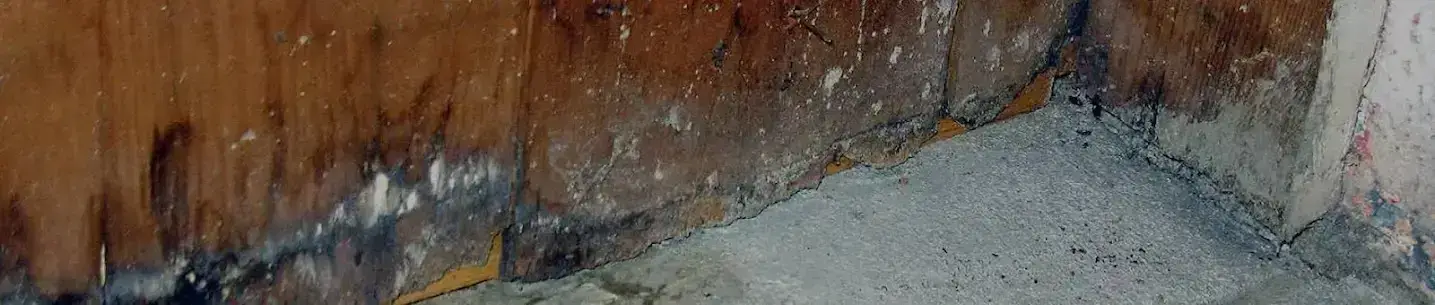
Several molds can look dark. CDC explains that color does not establish how dangerous a mold is, and identifying a particular species is generally unnecessary for deciding that growth and its moisture source need attention. A photograph cannot provide a complete assessment. Read CDC’s mold, testing, and remediation guidance.
Stachybotrys chartarum is one greenish-black mold associated with persistently wet materials. Its name should not be used as a diagnosis based on appearance. CDC notes that an association between this species and particular symptoms cannot be established by a test. See CDC’s facts about Stachybotrys chartarum.
What should you check at the property?
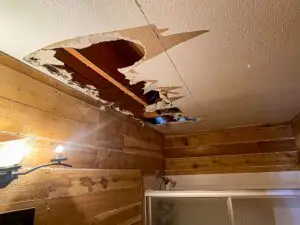
Look for a history of plumbing or roof leaks, flooding, condensation, or materials that have remained damp. Tell your contractor which rooms are involved, when the concern first appeared, and whether source repairs have been completed. Keep inspection reports and dated photographs together.
A stain, musty odor, or damaged finish can help describe a concern, but none defines the entire cleanup scope by itself. Avoid assuming that painting over a patch resolves the underlying condition. The work discussion should address both affected materials and the moisture problem.
When should you discuss professional mold cleanup?
EPA says the size of the affected area and the circumstances matter. Its household guidance says many areas smaller than about 10 square feet can be handled by the homeowner following the agency’s precautions. Larger areas, substantial water damage, contaminated water, and suspected HVAC involvement need additional consideration. Review the EPA mold cleanup guidance before choosing an approach.
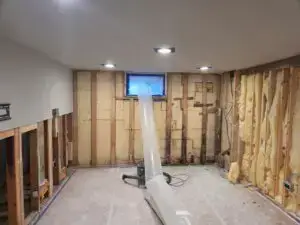
When considering a contractor, ask about relevant experience and references. Discuss which materials will be cleaned or removed, how the work area will be managed, and what is outside the quote. Ask how repairs and any separate testing will be coordinated. A defined scope is more useful than a promise based only on the color of a patch.
Moisture control comes before a lasting repair
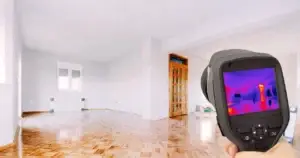
EPA recommends drying water-damaged areas and belongings within 24–48 hours to help prevent mold growth. Existing growth also needs appropriate cleanup; drying alone does not remove it. Source repairs and material condition should be understood before the area is refinished. Read EPA’s guide to mold and moisture at home.
Questions about symptoms belong with a clinician
This article addresses property concerns and cleanup decisions. If you have persistent symptoms or questions about your health, CDC advises speaking with a physician. A restoration assessment should not be treated as a medical diagnosis.
Discuss mold remediation in Chicago and nearby suburbs
Contact Not Your Average Mold Guys about the affected part of your property, any known moisture source, and reports you already have. We can discuss the proposed cleanup and repair scope. Explore our Chicago mold remediation services, service areas, or contact our team to explain the concern.
Content updated November 4, 2026. The CDC and EPA resources linked above provide the public-health and cleanup guidance referenced here.