Mold remediation
Discuss affected materials, the moisture history, work-area arrangements, and the cleanup scope.
Explore mold remediation ↗Your property · clear questions · useful next steps
Discuss odors, moisture concerns, and whether testing can answer a useful question about your property.
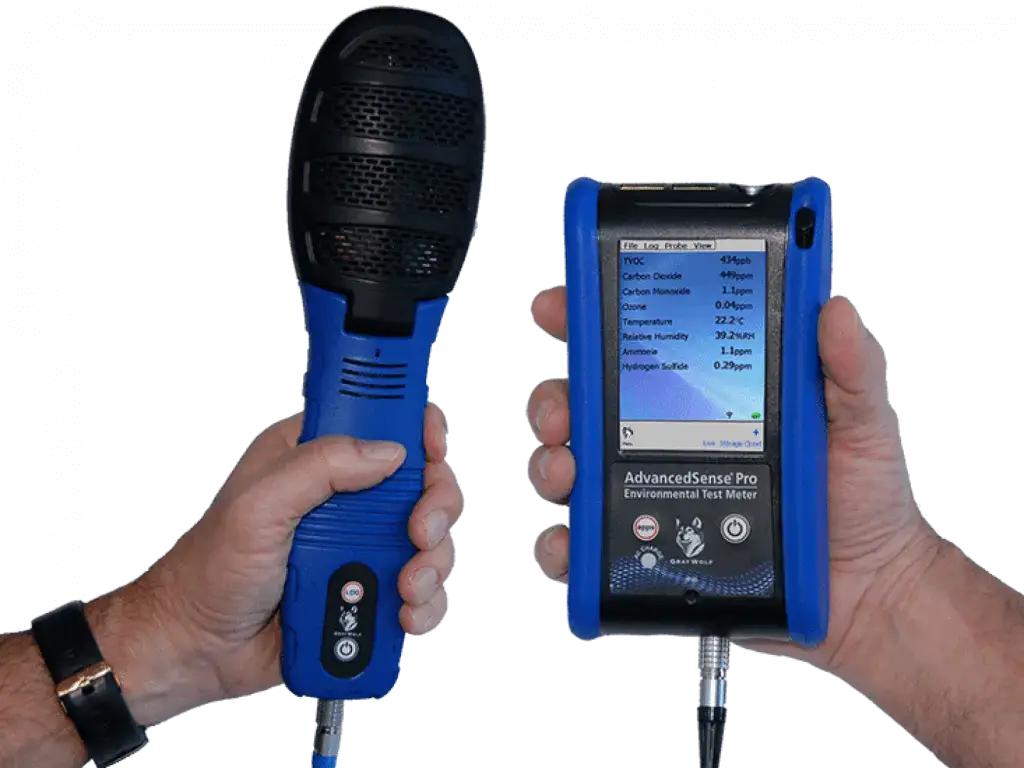
Testing should start with a clear question and an agreed scope.
A practical starting point
Musty odors, a recent leak, or an inspection finding can raise questions about indoor air quality. Contact Not Your Average Mold Guys to discuss the concern at your Chicago-area property, the information you already have, and whether an inspection or testing discussion is the appropriate next step.
Tell us which rooms are involved, when the issue first appeared, and whether it changes after rain or when heating and cooling equipment runs. Share details of previous water damage, repairs, and any existing inspection report. A description of the building and its moisture history helps frame the questions that need answers.
An odor or a photograph alone does not establish the full condition of a property. Make clear which areas are accessible and whether walls or flooring have already been opened. For a managed building, identify who can arrange access and authorize work.
Before agreeing to testing, ask what question it is intended to answer, what will be sampled, how results will be interpreted, and what decision will follow. Confirm the proposed scope, cost, and any separate laboratory or assessment arrangements directly with our team.
Testing should not be presented as a medical diagnosis or a guarantee that a building is safe for everyone. CDC notes that there are no health-based standards for mold in indoor air and does not recommend routine air sampling in building evaluations. Read CDC’s guidance on mold testing and remediation when considering what a result can tell you.
If mold or water damage is part of the concern, discuss the affected material and the moisture source alongside any testing question. A cleanup scope and a repair scope should be clear about what each includes. Testing does not replace the work needed to address moisture and affected materials.
Explore our Chicago mold remediation services, water damage restoration, and reconstruction services to understand the related stages.
Discuss affected materials, the moisture history, work-area arrangements, and the cleanup scope.
Explore mold remediation ↗Explain the water event, drying work already completed, and any damage that remains.
Explore water restoration ↗Understand which source repairs and restoration steps are needed before refinishing the area.
Explore reconstruction ↗An odor is a reason to investigate. It does not establish the complete condition or source on its own. Explain where it occurs, when it started, and any moisture history.
A property test should not be treated as a medical diagnosis. If you have persistent symptoms or questions about your health, speak with a clinician. See the CDC guidance linked above for the limits of mold testing.
Ask which inspection, sampling, laboratory, or reporting work is included, whether any parts are separate, and what decision the result is intended to inform. Confirm the proposed scope and cost before booking.
Tell us what you have noticed and share the information you already have. We can discuss the available services and proposed next step for your address.
Content updated November 4, 2026. Public-health guidance is linked to the CDC above.