
Introduction: Mold Isn’t Just a Maintenance Issue — It’s a Legal Risk
As a landlord or property manager, keeping your property in good shape isn’t just about aesthetics or tenant satisfaction—it’s a legal obligation. One of the most overlooked yet high-risk issues is mold. Left unchecked, mold can lead to tenant lawsuits, lost rental income, and major structural damage.
In this blog, we’ll explore what landlords need to know about mold liability, tenant rights, health risks, prevention strategies, and when to bring in experts like Not Your Average Mold Guys.
Section 1: The Hidden Threat of Mold in Rental Properties
Mold thrives in damp, humid environments, and rental homes—especially older ones—can become breeding grounds for mold due to roof leaks, poor ventilation, or plumbing issues.
Common Areas Mold Grows in Rentals:
-
Behind kitchen cabinets near plumbing
-
Inside bathroom walls and ceilings
-
Under carpets or flooring with water damage
-
Around HVAC systems and vents
-
In basements, attics, or crawl spaces
If mold becomes visible, it’s often the tip of the iceberg. And if tenants start complaining about it, the clock is ticking for a response.
Section 2: Legal Mold Liability for Landlords
🏛 Tenant Rights and Mold Regulations
While mold laws vary by state, many jurisdictions hold landlords responsible for:
-
Addressing moisture issues that lead to mold
-
Maintaining habitable living conditions
-
Disclosing known mold before leasing
In states like Illinois, landlords are required under the Implied Warranty of Habitability to ensure that a rental unit is safe and livable. If mold affects that, a tenant may have legal grounds to:
-
Withhold rent
-
Break their lease
-
Sue for damages
🧾 Legal Precedents
Courts have increasingly sided with tenants who have suffered health problems or property loss due to mold. Jury awards for mold-related lawsuits have reached into the hundreds of thousands of dollars.
If you’re a landlord and don’t take complaints seriously, you may be held liable for:
-
Medical expenses
-
Lost wages
-
Damaged property
-
Legal fees
Section 3: Health Impacts of Mold Exposure
One of the strongest reasons to take mold seriously is the health of your tenants. Mold exposure can cause or exacerbate conditions like:
-
Respiratory infections
-
Asthma
-
Allergies
-
Sinus congestion
-
Headaches
-
Skin rashes
-
Fatigue
Certain groups—like young children, the elderly, or people with compromised immune systems—are especially vulnerable.
Even if you’re not legally required to test for mold in every unit, protecting tenant health should always be a top priority. Neglect could be considered negligence in court.
Section 4: Warning Signs Landlords Shouldn’t Ignore
Tenants may not always report problems right away. As a landlord, you should look for signs during inspections and property maintenance. These include:
-
Musty, damp smells
-
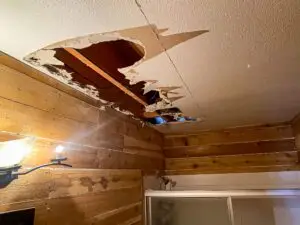
Water stains on ceilings or walls
-
Bubbling or peeling paint
-
Soft or warped flooring
-
Visible black, green, or white mold growth
Ignoring these red flags can make the issue worse—and more expensive.
Section 5: What to Do When Tenants Report Mold
Here’s a recommended process when a tenant alerts you to potential mold:
Step 1: Respond Quickly
Acknowledge their concern within 24–48 hours. Document the complaint and schedule an inspection.
Step 2: Inspect the Unit
Send a qualified professional (not a handyman) to assess the moisture issue. Mold often isn’t just surface-level.
Step 3: Bring in Experts Like Not Your Average Mold Guys
If mold is found, don’t DIY it. Hire a licensed mold remediation company to remove it properly and safely.
Step 4: Fix the Root Cause
Whether it’s a roof leak, plumbing issue, or poor ventilation—fix it fast. Mold will return if moisture is not addressed.
Step 5: Communicate and Document
Keep tenants informed of steps taken. Always document communications and work orders to protect yourself legally.
Section 6: When Are Landlords Not Responsible?
While landlords are responsible for maintaining the property, tenants also have responsibilities. You may not be liable if:
-
The tenant fails to report water leaks
-
The tenant causes the moisture through improper use (e.g., not using ventilation, overwatering plants, etc.)
-
The mold results from the tenant’s personal belongings (wet clothes, aquariums, etc.)
Clear lease clauses and regular inspections can help clarify these boundaries.
Section 7: Preventive Mold Strategies for Landlords
Being proactive can save you thousands. Here are simple ways to reduce your mold risk:
✅ Include Mold Clauses in Leases
Outline tenant and landlord responsibilities regarding moisture and mold.
✅ Regular Inspections
Conduct seasonal checks, especially after storms or in basements and attics.
✅ HVAC and Ventilation
Ensure HVAC units and bathroom fans are working properly to reduce humidity.
✅ Use Mold-Resistant Materials
When renovating, use mold-resistant drywall, paint, and insulation in moisture-prone areas.
✅ Install Leak Detectors
Smart sensors under sinks and appliances can detect leaks early.
Section 8: The Cost of Remediation vs. The Cost of Doing Nothing
Remediation Cost Range:
$500–$6,000 depending on the size and severity.
Cost of Doing Nothing:
-
Lawsuit: $10,000–$200,000+
-
Lost rent due to vacancy
-
Extensive drywall or flooring replacement
-
Long-term damage to your reputation
Hiring professionals like Not Your Average Mold Guys is a small investment compared to the potential legal and financial fallout.
Section 9: Why Choose Not Your Average Mold Guys
We specialize in working with landlords, property managers, and HOAs across the Chicago area. Here’s why we stand out:
-
Fast response times to keep your tenants safe
-
Licensed and insured professionals
-
Advanced testing and moisture detection tools
-
Safe, EPA-compliant remediation
-
Full documentation for legal and insurance use
Whether it’s a single-family rental or a multi-unit building, we’ll help you protect your property, your tenants, and your peace of mind.
Conclusion: Mold is a Legal, Financial, and Ethical Responsibility
If you’re a landlord, ignoring mold isn’t an option. The legal risks are real, the health effects are serious, and the financial consequences are steep. But the good news is that with early detection and the right remediation team, you can resolve mold issues quickly and affordably.
Not Your Average Mold Guys is here to be your go-to partner for prevention, cleanup, and peace of mind. Schedule your inspection today and stay one step ahead of mold and liability.
📞 Call to Action:
Need help with a mold complaint in your rental property?
Call Not Your Average Mold Guys today or schedule an inspection through our website. We’ll help you take care of it the right way—fast.