
Flooded Homes and Mold: What to Do After Water Damage
Flooding can cause significant damage to a home in a very short period of time. Whether the water comes from heavy rain, plumbing failures, storms, or natural flooding, the aftermath can leave homeowners dealing with damaged materials, moisture trapped inside walls, and the serious risk of mold growth.
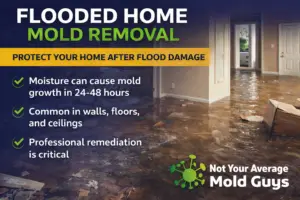
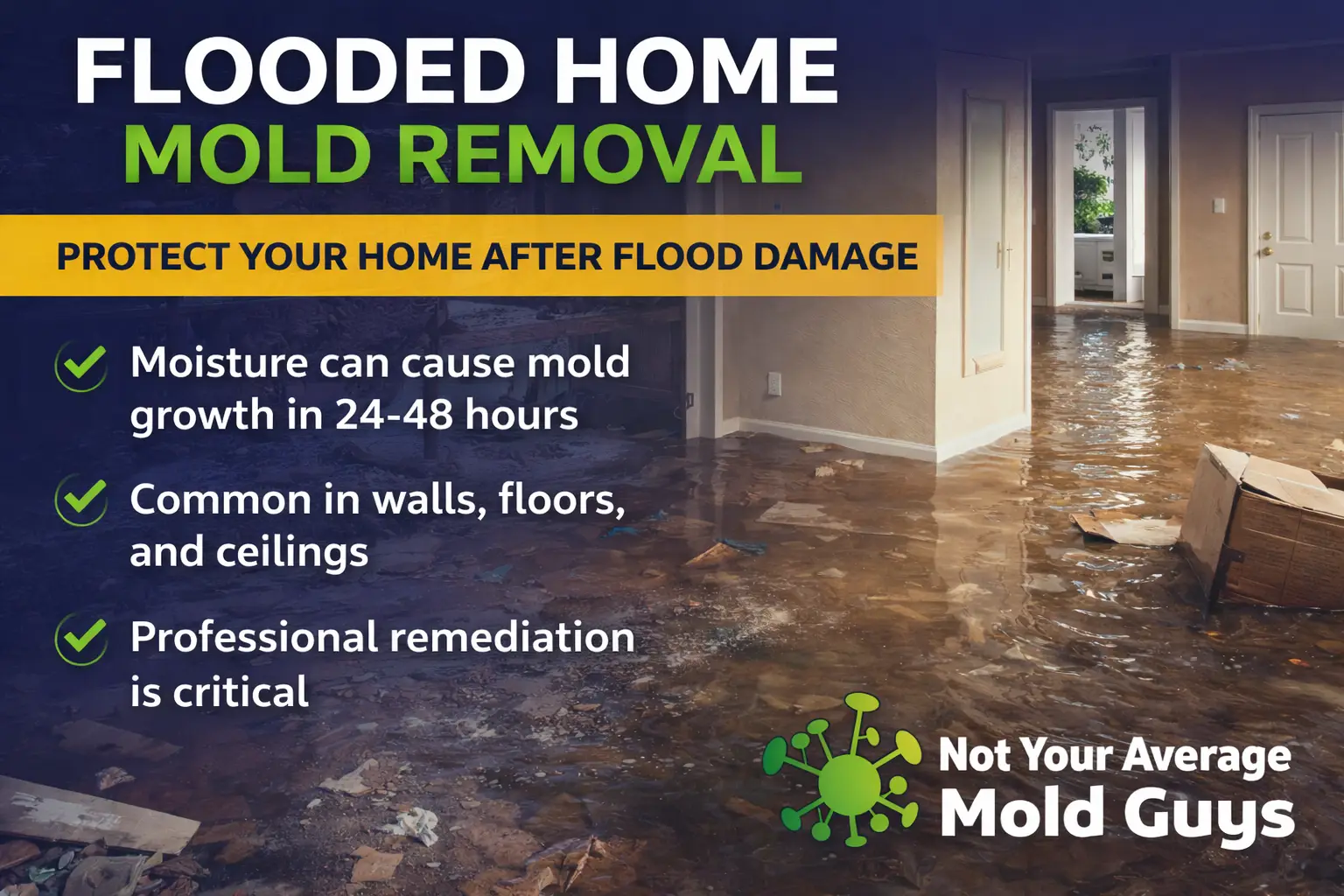
One of the most important steps after water damage is addressing mold quickly. When moisture remains inside a structure, mold can begin developing within 24 to 48 hours. This makes flooded home mold removal an essential part of the recovery process.
Professional mold remediation specialists, like Not Your Average Mold Guys, help homeowners identify hidden moisture, remove mold safely, and restore indoor environments after flooding events.
According to the Environmental Protection Agency, mold growth occurs when moisture remains in building materials such as drywall, wood, insulation, and flooring.
Why Flooded Homes Are at High Risk for Mold
Floodwater introduces moisture into many parts of a home that are difficult to dry completely. Water can seep behind walls, under flooring, inside insulation, and into structural framing.
These hidden areas create ideal conditions for mold growth because they remain damp long after visible water has been removed.
Common areas where mold develops after flooding include:
- Drywall and insulation
- Carpet and padding
- Wood framing
- Subflooring
- Ceiling materials
If these materials remain damp, mold colonies can quickly develop and spread throughout the home.
Signs Mold May Be Growing After Flood Damage
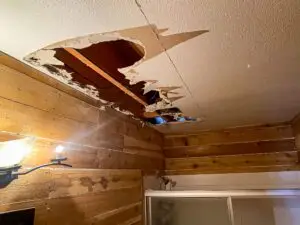
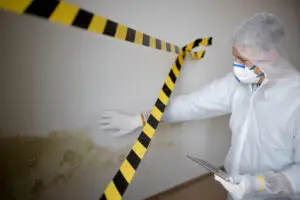
Not all mold growth is immediately visible. In many cases, mold develops inside walls or beneath flooring before homeowners notice the problem.
Some of the most common warning signs include:
- Musty or earthy odors
- Discoloration on walls or ceilings
- Warped or damaged drywall
- Peeling paint or bubbling surfaces
- Increased allergy symptoms indoors
If your home has experienced flooding and you notice any of these signs, it may be time to contact a professional mold inspection service.
The Dangers of Mold in Flooded Homes
Mold growth can create both structural and health concerns. Some mold species release microscopic spores that spread through the air and can trigger respiratory irritation.
The Centers for Disease Control and Prevention reports that exposure to mold can cause symptoms such as coughing, throat irritation, nasal congestion, and eye irritation.
Beyond health concerns, mold can also weaken building materials over time. Wood framing, drywall, and insulation can all be compromised if mold is allowed to grow unchecked.
This is why addressing mold quickly after flooding is critical for protecting both the home and the people living in it.
Steps to Take Immediately After a Flood
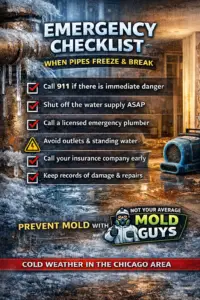
If your home has experienced flooding, acting quickly can significantly reduce mold risks.
Important steps include:
- Removing standing water
- Drying affected areas with fans and dehumidifiers
- Removing damaged materials
- Inspecting for hidden moisture
- Scheduling professional mold inspection if needed
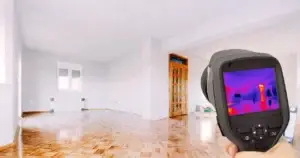
Even when surfaces appear dry, moisture may still remain inside structural materials. Professional equipment is often required to fully assess moisture levels within walls and floors.
Professional Flooded Home Mold Removal
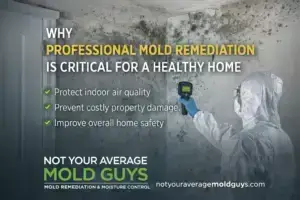
Professional mold remediation involves more than simply cleaning visible mold. Effective remediation focuses on identifying moisture sources, removing contaminated materials, and preventing further growth.
A typical mold remediation process includes:
- Detailed mold inspection
- Moisture detection and testing
- Containment of affected areas
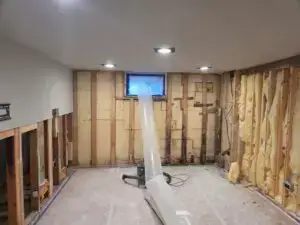
- Removal of contaminated materials
- Air filtration and cleaning
- Complete drying of the structure
This process ensures mold spores do not spread to other areas of the home during cleanup.
Why DIY Mold Cleanup Can Be Risky
Many homeowners attempt to remove mold themselves after flooding. While small surface mold can sometimes be cleaned, larger mold problems often require specialized equipment and containment procedures.
DIY cleanup can sometimes make the problem worse by spreading mold spores into unaffected areas of the home.
Professional remediation teams use protective equipment, negative air containment systems, and commercial-grade filtration systems to safely remove mold contamination.
Preventing Mold After Water Damage
Preventing mold growth requires controlling moisture levels within the home. After a flood, thorough drying and inspection are essential.
Some prevention strategies include:
- Using industrial dehumidifiers
- Removing saturated drywall and insulation
- Inspecting crawl spaces and attics
- Repairing water intrusion sources
Even after cleanup, monitoring humidity levels can help prevent future mold growth.
Why Homeowners Trust Not Your Average Mold Guys
Flood damage can feel overwhelming, but experienced remediation professionals can help restore safety and comfort to your home.
Not Your Average Mold Guys specialize in identifying mold problems caused by water damage and providing effective remediation solutions.
Our services include:
- Mold inspection
- Mold testing
- Professional mold removal
- Moisture detection
- Post-flood mold remediation
Our team works to ensure that mold contamination is safely removed and that your home is protected against future growth.
Learn more about our services here:
Professional Mold Remediation Services
Protect Your Home After Flood Damage
Flooding can cause serious structural damage and create the conditions necessary for mold growth. Acting quickly after water damage helps prevent mold from spreading and protects your home’s indoor air quality.
If you suspect mold growth after flooding, professional flooded home mold removal services can help identify the problem and restore your home safely.
Not Your Average Mold Guys provide expert mold remediation solutions designed to address mold caused by flooding, leaks, and moisture problems.
If your home has experienced water damage, contact our team today to schedule an inspection and protect your home from mold growth.