
Winter Mold Prevention: Why February Is One of the Most Dangerous Months for Hidden Mold
Many homeowners assume mold is primarily a summer problem driven by heat and humidity. In reality, late winter — especially February — is one of the most overlooked times for serious indoor mold growth.
Temperature swings, increased rainfall, condensation, and poor ventilation create ideal conditions for moisture to build inside walls, ceilings, crawlspaces, and attics. Without proper winter mold prevention, small moisture issues can quickly turn into expensive remediation projects.
At Not Your Average Mold Guys, we typically see a spike in inspections toward the end of winter because homeowners begin noticing musty odors, allergy symptoms, or visible spotting that developed silently during colder months.
Understanding why February is such a high-risk period can help you protect your home — and avoid costly damage.
Why Mold Growth Accelerates in Late Winter
Winter conditions trap moisture indoors. By February, that moisture has often been accumulating for months.
Condensation From Temperature Swings
Cold outdoor air combined with heated indoor air creates condensation on windows, pipes, and exterior walls. When this moisture has nowhere to go, it becomes the perfect breeding ground for mold.
According to the Environmental Protection Agency (EPA), mold can begin developing within 24–48 hours in damp environments.
Reduced Airflow
Homes remain tightly sealed during winter to conserve energy. While this improves efficiency, it also prevents moisture from escaping.
The result? Hidden humidity.
Slow Plumbing Leaks Go Undetected
Small pipe leaks are more common during colder months due to expansion and contraction. Because many homeowners spend less time in garages, basements, or crawlspaces during winter, leaks often go unnoticed.
Hidden February Moisture Traps Most Homeowners Miss
Mold rarely starts in obvious places. Some of the most severe growth happens behind surfaces you don’t regularly see.
Attics
Poor ventilation combined with roof condensation can quietly fuel mold colonies overhead.
Crawlspaces
Moisture rises from the ground and becomes trapped, especially after winter rains.
Behind Drywall
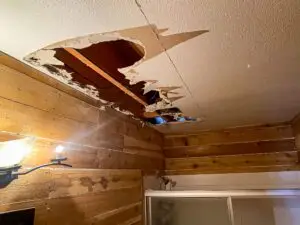
Even a slow leak can saturate insulation and framing.
HVAC Systems
When condensation builds inside ductwork, spores can spread throughout the home.
The CDC warns that indoor mold exposure may contribute to respiratory irritation, coughing, and allergy flare-ups — particularly for children and older adults.
Warning Signs You May Already Have Mold
- Persistent musty smells
- Peeling paint or bubbling drywall
- Dark spotting on ceilings or walls
- Increased allergy symptoms indoors
- Recent water damage
- Condensation on windows
If you notice even one of these signs, scheduling an inspection early can prevent far more expensive repairs later.
Why Winter Mold Becomes Expensive Fast
Mold spreads aggressively when moisture remains present.
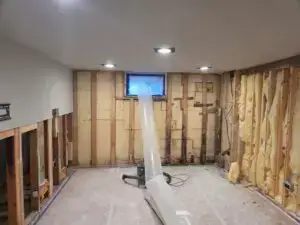
By the time visible signs appear, contamination often extends beneath flooring, inside wall cavities, or into structural framing.
Early detection is always the lowest-cost solution.
How to Protect Your Home With Winter Mold Prevention
Control Indoor Humidity
Keep humidity between 30–50%. Dehumidifiers are especially helpful in basements and crawlspaces.
Improve Ventilation
Run bathroom fans, kitchen vents, and HVAC systems consistently to move moisture out.
Inspect After Storms
Winter and early spring storms can introduce water through roofing, flashing, and foundations.
Check Your Attic
Most homeowners never look here — yet it’s one of the most common mold locations.
Schedule a Professional Inspection
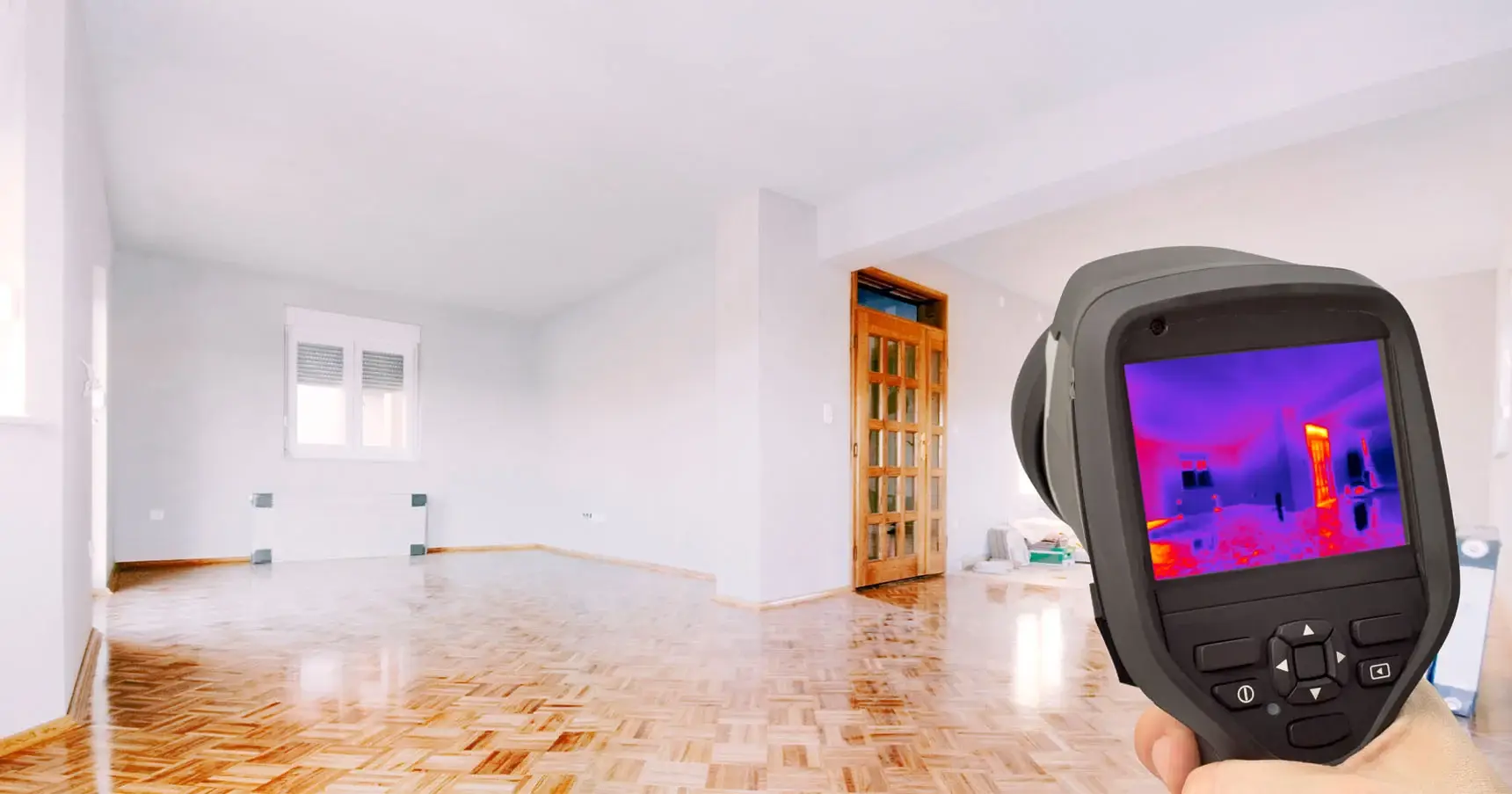
The safest way to confirm your home is mold-free is with expert testing.
Why Professional Mold Inspections Matter
Mold is not always visible — and DIY test kits often miss deeper contamination.
A professional inspection can:
- Identify hidden moisture sources
- Detect airborne spores
- Prevent structural damage
- Protect indoor air quality
- Stop mold before it spreads
Most importantly, it provides peace of mind.
Why February Is the Smartest Time to Schedule an Inspection
Late winter inspections allow homeowners to catch problems before spring humidity accelerates growth.
Think of it as preventative maintenance for your property.
Waiting until mold becomes visible often means higher remediation costs and larger affected areas.
Trust Not Your Average Mold Guys
Not all mold companies operate with the same level of precision and transparency.
At Not Your Average Mold Guys, we focus on thorough inspections, honest recommendations, and solutions that protect your home long-term.
Whether you suspect mold or simply want reassurance your home is safe, our team is ready to help.
Schedule Your Winter Mold Inspection Today
Don’t let hidden moisture turn into a major problem.
Call Not Your Average Mold Guys today to schedule a professional mold inspection and protect your home before spring arrives.
📞 (insert phone number)
Learn more about our services here:
https://www.notyouraveragemoldguys.com/