
Mold Prevention for Chicago Homes: What Every Homeowner Should Know
Mold is a year-round concern for homeowners in Chicago. While many people associate mold with warm, humid climates,
the Midwest presents its own unique challenges — from damp basements and crawlspaces to winter condensation and
spring flooding.
The most effective way to protect your home and your health is through mold prevention.
In this guide, we’ll explain why mold is so common in Chicago homes, where it typically forms,
and what steps you can take to prevent mold before it becomes a serious problem.
Why Mold Is Common in Chicago Homes
Chicago’s climate creates ideal conditions for mold growth at different times of the year.
Cold winters, humid summers, heavy rain, and melting snow all contribute to moisture problems
inside residential structures.
According to the U.S. Environmental Protection Agency (EPA),
mold grows wherever moisture is present for extended periods. In Chicago homes, moisture often comes from:
- Basement seepage and foundation cracks
- Poor exterior drainage
- Snow melt around foundations
- Condensation from heating systems in winter
- High indoor humidity during summer
Understanding how moisture enters your home is the first step toward preventing mold.
1. Keep Indoor Humidity Under Control
Mold thrives when indoor humidity rises above 50%. In Chicago, humidity levels fluctuate throughout the year,
making it important to monitor indoor air consistently.
To control humidity:
- Use a digital hygrometer to monitor indoor levels
- Run dehumidifiers in basements and lower levels
- Vent bathrooms and kitchens during use
- Maintain your HVAC system for proper airflow
The Centers for Disease Control and Prevention (CDC)
recommends keeping indoor humidity between 30–50% to reduce mold risk.
2. Pay Special Attention to Basements
Basements are the most common mold-affected areas in Chicago homes. Older foundations,
porous masonry, and seasonal groundwater create ongoing moisture risks.
Common basement mold causes include:
- Foundation cracks
- Poor grading around the home
- Clogged or improperly routed downspouts
- Lack of vapor barriers
Prevent basement mold by sealing foundation cracks, installing proper drainage,
and using a basement-rated dehumidifier year-round.
3. Prevent Winter Condensation Issues
Chicago winters create a lesser-known mold problem: condensation. Warm indoor air meets
cold exterior surfaces, causing moisture to form on windows, walls, and framing.
Condensation-related mold often appears:
- Around windows and window frames
- Behind furniture placed against exterior walls
- In attics with poor insulation
- On cold plumbing lines
Improving insulation, sealing air leaks, and maintaining consistent indoor temperatures
can significantly reduce condensation risks.
4. Address Plumbing Leaks Immediately
Even minor plumbing leaks can lead to mold growth if left unchecked.
Slow leaks often remain hidden behind walls, under sinks, or beneath flooring.
Check regularly for:
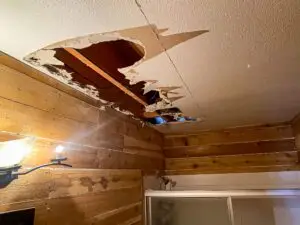
- Water stains on ceilings or walls
- Soft or warped flooring
- Musty odors near bathrooms or kitchens
- Dripping pipes under sinks
Mold can begin forming within 24–48 hours of moisture exposure, according to the
Federal Emergency Management Agency (FEMA).
5. Improve Bathroom and Kitchen Ventilation
Bathrooms and kitchens produce large amounts of moisture. Without proper ventilation,
humidity builds up and settles on surfaces, feeding mold growth.
Mold prevention steps include:
- Using exhaust fans during showers and cooking
- Ensuring fans vent outside — not into attics
- Keeping vents clean and functional
- Opening windows when weather permits
Ventilation plays a critical role in maintaining healthy indoor air quality.
6. Maintain Proper Drainage Outside the Home
Many indoor mold problems start outdoors. Poor drainage allows water to collect near
the foundation, increasing the risk of basement leaks and moisture intrusion.
Prevent exterior moisture problems by:
- Keeping gutters clean
- Extending downspouts away from the foundation
- Grading soil so water flows away from the home
- Checking for pooling water after heavy rain
7. Recognize Early Warning Signs of Mold
Mold often develops quietly before becoming visible. Early detection can prevent
costly remediation.
Watch for:
- Persistent musty odors
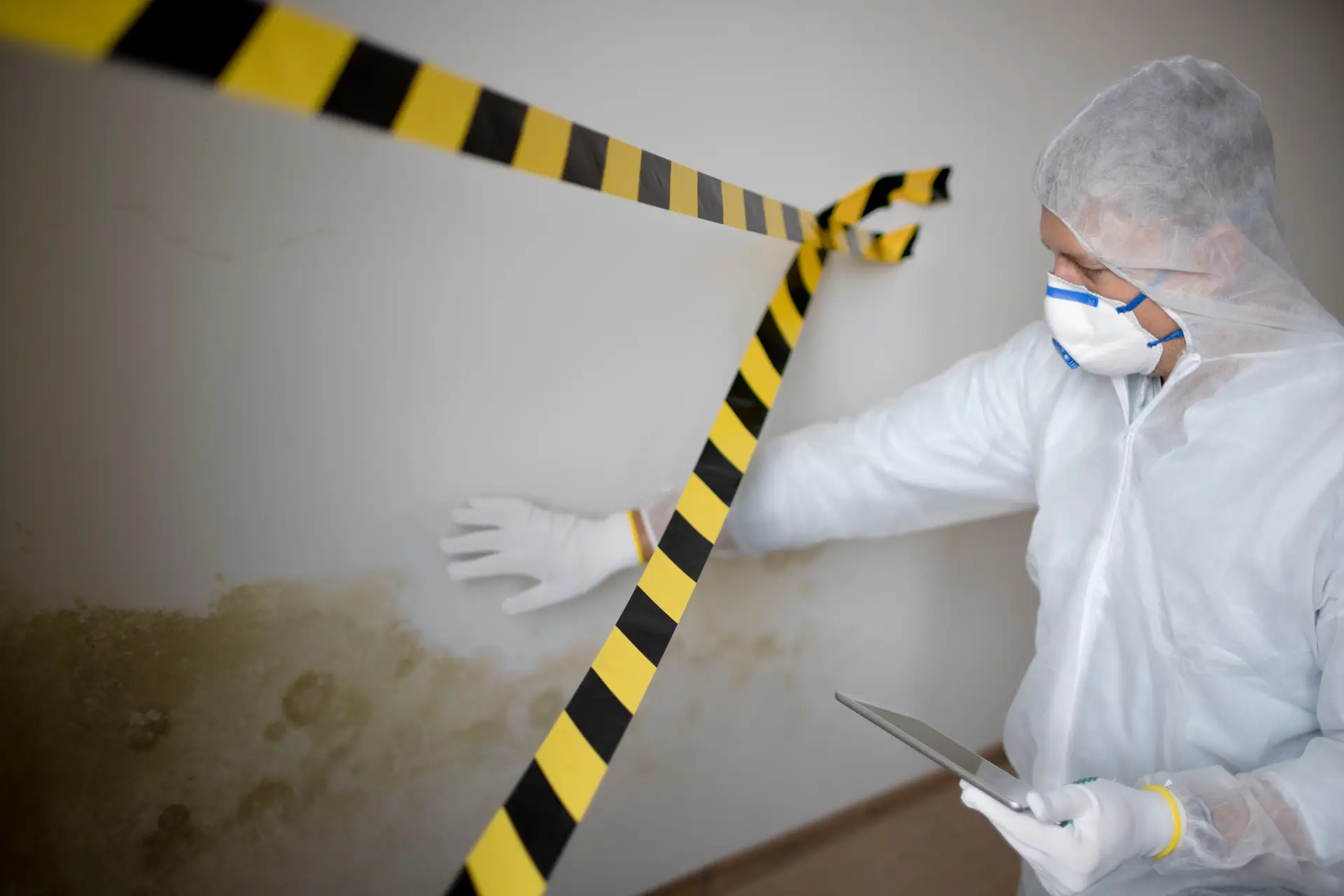
- Dark spots on walls or ceilings
- Peeling paint or bubbling drywall
- Increased allergy or respiratory symptoms indoors
8. When to Call a Professional Mold Specialist
Some moisture and mold issues are beyond DIY solutions. Professional inspection
and remediation may be necessary if:
- Mold keeps returning
- There is visible mold growth
- Odors persist without a clear source
- Water damage has occurred
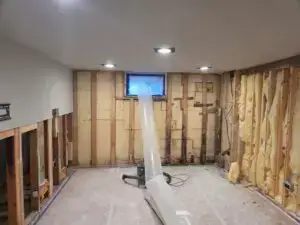
Professional mold specialists use moisture mapping, containment, and
industry-approved remediation methods to fully resolve mold issues.
Protect Your Chicago Home With Proactive Mold Prevention
Mold prevention is about controlling moisture, improving airflow,
and addressing small issues before they become major problems.
In Chicago’s changing climate, proactive care is essential.
If you’re concerned about mold or moisture in your home,
Not Your Average Mold Guys are here to help with professional
inspection