

The Homeowner’s Guide to Mold Recognition, Prevention & Safe Management
Mold in the home is a common issue — yet many homeowners don’t fully understand how it starts, how to recognize it, or how to manage it safely.
When left unchecked, mold can negatively impact indoor air quality and may trigger health symptoms in sensitive individuals. According to the EPA’s mold and moisture guidance, controlling moisture is the most effective way to prevent indoor mold growth.
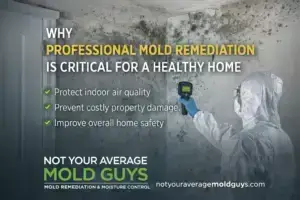
In this guide, we’ll explain how mold forms, what warning signs to look for, how to prevent it, and when to call a professional mold remediation company like Not Your Average Mold Guys. We proudly serve homes throughout Chicago, Bolingbrook, and surrounding suburbs with thorough inspections and safe, effective remediation solutions.
📞 Call or Text: 630-401-2072 to schedule a mold assessment or remediation consultation.
1. What Is Mold — And Why Does It Grow?
Mold is a type of fungus that reproduces by releasing microscopic spores into the air. These spores exist everywhere, indoors and outdoors. Mold becomes a problem only when spores land on surfaces with excess moisture and organic material, such as drywall, wood, insulation, carpet, or wallpaper.
Common indoor molds — including Cladosporium, Penicillium, and Aspergillus — thrive in damp areas like bathrooms, basements, attics, crawlspaces, and near plumbing leaks or roof damage.
Mold does not spread because a home is “dirty.” It grows when moisture is present and not properly controlled. That’s why moisture management is the most important step in mold prevention.
2. Common Signs You May Have Mold
Early detection can prevent extensive damage and costly repairs. Warning signs include:
-
Musty or earthy odors in basements, closets, or crawlspaces
-
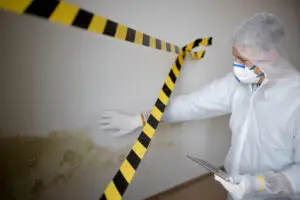
Discolored spots (black, green, white, or brown) on walls or ceilings
-
Peeling paint or bubbling drywall near moisture sources
-
Increased allergy-like symptoms indoors (sneezing, coughing, itchy eyes)
-
Mold found under sinks, behind appliances, or inside HVAC vents
If symptoms improve when you leave the home, mold may be affecting your indoor air quality.
3. Health Impacts of Mold Exposure
Not all mold is toxic, but mold spores can act as allergens and irritants. Exposure may cause sneezing, congestion, coughing, itchy eyes, or skin irritation — especially for individuals with asthma or allergies.
Children, older adults, and those with weakened immune systems may be more vulnerable to mold-related symptoms. This is why prompt remediation and moisture control are especially important in occupied homes.
4. How Mold Gets Inside Homes in the Chicago Area
Homes in the Chicago and Bolingbrook area often experience mold due to seasonal weather changes, snowmelt, and humidity fluctuations. Common moisture sources include:
-
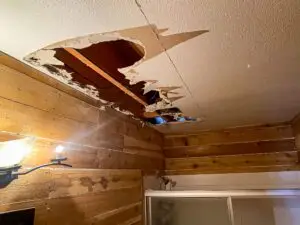
Roof leaks from ice dams or storm damage
-
Plumbing leaks behind walls or under floors
-
Basement moisture or foundation seepage
-
High indoor humidity (above ~50%)
-
Poor bathroom or kitchen ventilation
-
Condensation on windows or exterior walls
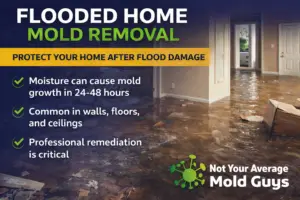
Drying wet materials within 24–48 hours is critical to preventing mold growth.
5. Mold Prevention Tips for Homeowners
Consistent moisture control is the foundation of mold prevention. Helpful steps include:
-
Repair leaks as soon as they’re discovered
-
Use exhaust fans that vent outdoors
-
Keep indoor humidity below 50%
-
Run dehumidifiers in basements and crawlspaces
-
Ensure HVAC systems are properly maintained
-
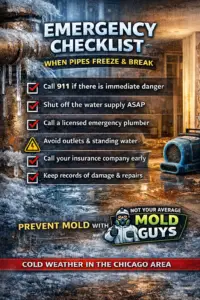
Dry water-damaged areas immediately
These strategies significantly reduce the risk of mold growth when applied consistently.
6. DIY Mold Cleanup — When It’s Safe & When It’s Not
For very small areas (under 10 square feet), limited cleanup may be possible if moisture is fully resolved and proper safety gear is used.
DIY cleanup is NOT recommended when:
-
Mold covers large or hidden areas
-
Mold is inside walls, ceilings, or HVAC systems
-
Water damage is ongoing
-
Anyone in the home has respiratory conditions or immune sensitivities
In these situations, professional remediation ensures safe containment and complete removal.
7. What to Expect During Professional Mold Remediation
Professional mold remediation typically includes:
-
Detailed inspection and moisture detection
-
Containment to prevent spore spread
-
HEPA air filtration
-
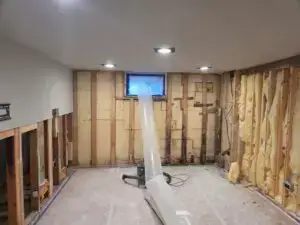
Removal of affected materials when necessary
-
Deep cleaning and surface treatment
-
Moisture correction to prevent recurrence
This structured approach ensures mold is removed safely and thoroughly.
8. When to Call Not Your Average Mold Guys
You should contact a professional if you notice:
-
Large areas of visible mold
-
Persistent musty odors
-
Repeated mold growth despite cleaning
-
Water damage from leaks or flooding
-
Respiratory symptoms indoors
Not Your Average Mold Guys provides professional mold inspection and remediation services for homeowners throughout Chicago, Bolingbrook, and surrounding Illinois communities, focusing on long-term solutions — not temporary fixes.
📞 Call or Text: 630-401-2072 today to schedule your mold inspection or remediation service.