
Hidden Water Leaks Mold Growth: What Every Homeowner in Austin Needs to Know
When moisture hides, mold grows. Learn how silent leaks in your home can turn into serious mold issues — and why taking action fast matters for homes around Austin, Cedar Park, Leander, Georgetown and the Hill Country.
Call us at (512) 316-2799 or book a free consultation with Not Your Average Mold Guys today.
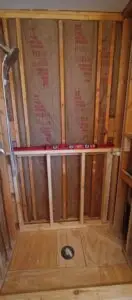
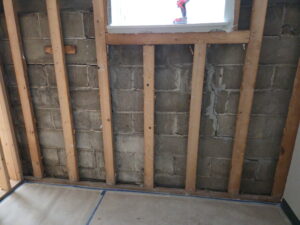
Many homeowners don’t realise that the most dangerous mold problems begin not from a dramatic flood, but from hidden water leaks. A small dribble behind a wall, condensation in a crawl space, or a high humidity attic can provide the perfect conditions for mold to flourish — long before any visible sign appears.
Why Hidden Water Leaks Are the Mold Growth Trigger
Mold needs three things: **moisture**, **food** (organic material) and **time**. If one of those is missing, mold can be controlled. But when a water leak is hidden—behind drywall, under flooring, or in an attic—it can go unnoticed for weeks or months. That gives mold time to spread, damage materials and affect indoor air quality.
In the Austin area, factors such as monsoon season downpours, high humidity, and older homes with less effective ventilation make hidden leaks especially risky.
Common Hidden Leak Locations in Central Texas Homes
- Roof and Attic Leaks: Missing shingles, improper flashing, or blocked gutters allow water infiltration and can go unnoticed in the attic until mold is present.
- Plumbing Leaks: Slow drips from supply lines, under-sink connections, or behind walls often stay hidden until mold appears on drywall or ceiling.
- Crawl Spaces & Slabs: Moisture rising from the ground, improper vapor barriers or condensation on cold pipes can create a damp base for mold.
- HVAC Systems: Air handler drip pans, drain lines or ductwork leaks spread moisture and distribute spores throughout the home. You may have seen our blog on this topic. :contentReference[oaicite:1]{index=1}
- Exterior Wrap/Flashings & Windows: Poor flashing or sealant around windows, doors or exterior cladding allows water in behind finished surfaces.
What Happens If You Leave a Hidden Leak Untreated?
Over time, untreated leaks and moisture facilitate:
- Growth of mold colonies behind drywall, under flooring or inside wall cavities
- Degradation of building materials: wood rot, insulation breakdown, drywall failure
- Air-borne mold spores spreading into your living space and HVAC system
- Health effects for occupants—especially those with allergies, asthma or compromised immune systems
- Reduced home value or complications during resale if remediation is needed
Hidden Moisture → Mold Timeline & Why Speed Matters
| Timeframe | What Happens |
|---|---|
| 0-24h | Moisture begins saturating materials—drywall, wood framing, sub-floor. |
| 24-48h | Musty smells may appear; mold spores begin germinating. |
| 48-72h | Visible mold growth may appear on porous surfaces; indoor air quality starts to degrade. |
| 1-4 weeks | Colonies grow, structural materials weaken, remediation cost increases significantly. |
The faster the leak is detected and the moisture addressed, the smaller the mold risk and the more cost-effective the remediation. That’s why “hidden” is the dangerous part of this equation.
How We Detect Hidden Water Leaks & Mold Growth
At Not Your Average Mold Guys we use an in-depth process rather than assuming “see mold, treat mold”. Our inspection process includes:
- Moisture meters and probes: To measure moisture content in walls, floors and slabs.
- Thermal imaging cameras: To locate cold spots or water intrusion behind finished surfaces.
- Air sampling: To detect mold spore levels and compare indoor vs outdoor counts.
- Visual inspection of hidden spaces: Attic, crawlspace, HVAC systems, behind walls, around piping.
- Detailed reporting: Photos, moisture readings, recommended scope of work, and costs upfront. See our blog on the remediation process. :contentReference[oaicite:2]{index=2}
Remediation Strategy: What to Expect
Once a hidden leak and associated mold are identified, our remediation approach follows these general steps:
- Stop the source of moisture: Repair leaks, improve drainage, correct HVAC drain issues or vapor entry.
- Containment: Seal off impacted areas to prevent spore spread using plastic barriers and HEPA-filtered negative air machines.
- Remove or clean contaminated materials: This may include drywall, insulation or flooring, depending on exposure.
- Air filtration and deep cleaning: HEPA vacuuming, antimicrobial treatments, and cleaning of structural surfaces.
- Drying and desalting: Use industrial dehumidifiers and air movers to lower moisture to safe levels before finishing work resumes.
- Verification and clearance testing (optional but recommended): Post-remediation air sampling to confirm the environment is safe for occupants.
We believe in full transparency: you get a written scope of work, transparent pricing and documentation you can share with your insurance company or real estate professional.
Prevention: Protect Your Home After Remediation
Remediation removes current mold—but future risk remains if moisture returns. Here’s how to stay ahead:
- Fix leaks immediately—plumbing drips, roof issues, HVAC condensation.
- Ensure proper attic and crawl-space ventilation in Central Texas climate.
- Use a dehumidifier if your HVAC system struggles during humid months.
- Clean and change HVAC filters regularly and inspect drip pans and drains yearly.
- Avoid storing organic materials (cardboard, paper) in damp spaces like basements, garages or attics.
- Schedule a professional moisture-audit every 2-3 years if you live in a high-humidity zone or older home.
Why You Should Hire the Pros—Instead of DIY
You might be tempted to tackle a small leak or mold spot yourself. But when the moisture source is hidden and the mold is behind drywall or inside walls, DIY risks include:
- Incorrectly identifying and stopping the leak → mold returns.
- Disturbing mold without containment → spores spread through the house or HVAC.
- Failing to fully dry materials → mold regrowth likely.
- Insurance or home-sale complications due to incomplete documentation.
As you’ll find in our blog, mold remediation is a structured, multi-step process that protects your health, property and budget. :contentReference[oaicite:3]{index=3}
Central Texas Homeowner Case Study
A homeowner in Leander reached out after noticing a faint musty smell and a slightly damp closet wall. Our inspection found elevated moisture behind the drywall near the garage wall shared with the HVAC unit. The root cause: a blocked HVAC condensate drain line. Visible mold growth was just beginning behind the drywall panel.
What we did:
- Repaired the HVAC drain line and cleared the blockage.
- Removed the affected drywall section and cleaned/treated framing behind it.
- Set up containment, HEPA air scrubbers and ran dehumidifiers for 72 h until moisture readings dropped to safe levels.
- Conducted post-remediation testing and issued a clearance report before closing up the wall.
Result: The homeowner avoided a full wall replacement and what could have been a much larger mold problem. Early intervention saved thousands of dollars and restored a safe indoor environment.
When Should You Call Us?
You should contact Not Your Average Mold Guys if you:
- Smell something musty or earthy, especially after rain or high-humidity days.
- See water stains, peeling paint, or bubbling drywall in hidden or seldom-used areas.
- Have unexplained allergy/respiratory symptoms at home that improve when you’re away.
- Are planning to sell or refinance and want a clear indoor-air quality report.
- Have had water intrusion (flood, plumbing leak, roof leak) in the last 90 days.
Contact the team at Not Your Average Mold Guys today at (512) 316-2799 for inspection, remediation or preventative advice. Serving Austin, Cedar Park, Leander, Georgetown, and Central Texas.